


 6 min read
Welcoming visitors with assistance dogs, what you need to know
This guide is adapted from a blog by our colleagues at Visit Worcestershire: Welcoming Visitors with Assistance Dogs: What Tourism Businesses Need to Know.
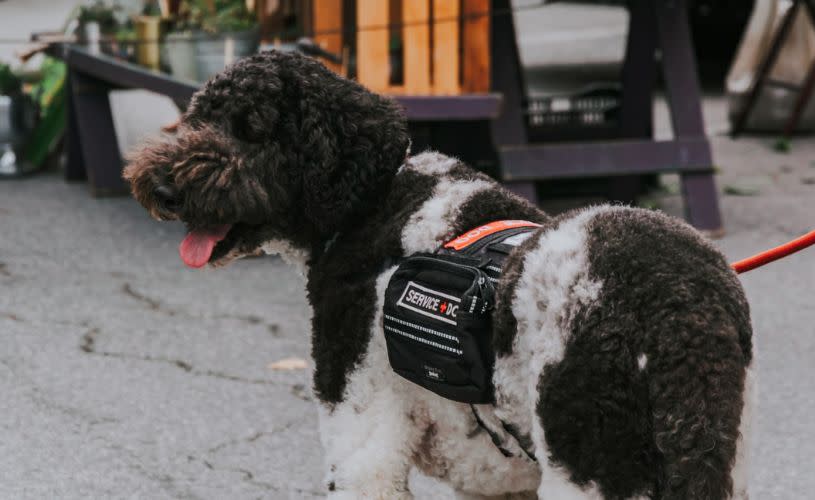
Visit West wants every visitor to feel welcome and able to explore Bristol, Bath and the wider West of England with confidence. For many people living with disabilities, an assistance dog brings independence, reassurance and practical support. ore than 7,000 people across the UK are currently partnered with assistance dogs trained by organisations that are members of Assistance Dogs UK. These highly trained dogs make it possible for their owners to visit attractions, stay in accommodation, eat out and enjoy a day out.
Most of our members want to offer an inclusive welcome, but questions about assistance dogs and legal responsibilities do come up. Knowing the guidance helps you and your team feel confident that every guest has a good visit. The Equality Act 2010 gives disabled people important rights when accessing services, facilities and attractions. The good news is that welcoming visitors with assistance dogs is usually simple and straightforward, and small adjustments can make a significant difference to someone's experience.
The answers below draw on guidance from VisitEngland's Pink Book, Assistance Dogs UK, the Equality and Human Rights Commission and Business Disability Forum. Links to all four are at the end of this page, along with the original guide put together by Visit Worcestershire.

Image: Assistance dogs at Bristol Airport
Your questions answered
1. Do we have to let assistance dogs into our business?
In most circumstances, yes. Under the Equality Act 2010, refusing entry to a disabled person because they have an assistance dog would generally be unlawful. This covers accommodation providers, attractions, restaurants, cafés, shops, transport providers and other customer-facing businesses.
2. What counts as an assistance dog?
An assistance dog is not a pet. It supports a disabled person by carrying out tasks linked to their disability, or by helping them to stay independent. People who use assistance dogs have a wide range of disabilities, including visual impairments, hearing loss, mobility impairments, epilepsy and diabetes, among other conditions.
3. Does the dog have to wear a jacket, harness or vest?
No. Many assistance dogs do wear identifying kit, but the law doesn't require it. Please don't turn a dog away just because it isn't wearing branded equipment.
4. Can we ask for ID or certification?
Many assistance dog owners carry identification, but there is no legal requirement to carry an ID card or booklet. If someone can't show documentation, please don't assume the dog isn't an assistance dog.
5. We have a "no dogs" policy. Does it still apply?
Not to assistance dogs. A "no dogs" policy doesn't override the rights of disabled people who use them. Assistance dogs are not treated in the same way as pets, and businesses are expected to make reasonable adjustments to accommodate them.
6. Doesn't food hygiene law ban dogs where food is served?
No. Food hygiene rules don't stop assistance dogs from coming into public dining areas in restaurants, cafés, pubs, hotels or visitor attractions, and they are commonly admitted wherever customers are being served food. The restrictions apply to food preparation areas, not customer spaces. Guidance from the Equality and Human Rights Commission is clear that businesses should welcome assistance dogs.
7. What if another customer is afraid of dogs or has an allergy?
This doesn't automatically justify refusing an assistance dog. In most cases both customers can be looked after with a practical step, such as seating them apart or offering different seating.
8. What if the dog damages something or misbehaves?
Assistance dogs are normally highly trained and well behaved. If there is a genuine behaviour problem, you can handle it in the same way as any other health and safety concern. Base your decision on what the dog is actually doing, not on assumptions or stereotypes.
9. Are emotional support animals the same as assistance dogs?
Not necessarily. The Equality Act 2010 doesn't specifically define emotional support animals. Whether access should be given depends on the circumstances and on the reasonable adjustments that individual disabled person needs.
10. Do owner-trained assistance dogs count?
Yes. A dog may be trained by an organisation or by its owner. There is no legal requirement for a dog to be trained by a particular charity or organisation before it can accompany a disabled person.
An accessible, welcoming visit is better for everyone. When staff understand the role assistance dogs play and feel confident supporting the people who use them, businesses across the West of England can help make this a destination that welcomes all.
For Visit West members and partners
Here is how you can put this guide into practice locally.
- Tell visitors what you offer. Our resources page shares figures showing that 95% of disabled people check accessibility information before visiting a new place, and 77% have avoided venues because they couldn't find what they needed. Our guide to adding and updating your accessibility features on your listing explains how to keep your Visit Bath or Visit Bristol listing up to date. To make changes, email membership@visitwest.co.uk.
- Brief your team. WECIL / Disability Inc offers tailored training delivered by disabled people with lived experience, covering disability awareness and inclusive customer service.
- Join our online member event. In January 2027, we're running Accessibility: Ensuring your venue is welcoming for all, in partnership with WECIL. Email membership@visitwest.co.uk to register your interest.
- Find more support. Our Accessibility and Inclusion Resources and Opportunities page brings together training, information about AccessAble Detailed Access Guides and local support organisations. If you're not sure where to start, try our quick wins to get started on your accessibility journey.
- Sharing this with others? If you support local businesses, for example through a business improvement district, council or destination partnership, please pass this guide on to the venues and teams you work with.
Further information and resources
This guide draws on advice from the organisations below. Please read them and share them with your customer-facing teams.
- VisitEngland Pink Book: Practical guidance on accessibility and legal responsibilities for tourism businesses. Equality Law: Accessibility Regulations UK | VisitBritain.org
- Assistance Dogs UK: Information about assistance dogs, access rights, and resources for service providers. ADUK Quick Guides - Assistance Dogs UK
- Equality and Human Rights Commission: Guidance on assistance dogs and business obligations under the Equality Act 2010. Assistance dogs: a guide for all businesses| EHRC. assistance-dogs-a-guide-for-all-businesses_0.pdf
- Business Disability Forum: Resources, advice and best practice to help organisations become more disability inclusive and accessible. 'Open to all' disability inclusion guidance | Business Disability Forum
Original article: Visit Worcestershire, Welcoming Visitors with Assistance Dogs.
This guide is general information and not legal advice.
Get in touch
For accessibility questions or ideas for future content, email laura.valentine@visitwest.co.uk. To update your listing or register for the member event, email membership@visitwest.co.uk.


