



 3 min read
The Visit Bristol website – produced by Visit West, the Local Visitor Economy Partnership for Bristol, Bath and beyond – has launched a new Bristol Quiet Areas map, led by University of Gloucestershire, to highlight three quiet, cooler and more accessible urban spaces in Bristol.
The Bristol Quiet Areas Plan is a citizen-led project, pioneered by University of Gloucestershire, in partnership with Visit West and others, exploring and defining what makes quiet, nature-rich urban spaces meaningful, accessible and restorative.
The new Bristol Quiet Areas map on the Visit Bristol website highlights three Quiet Areas in the city centre: Temple Church Gardens, St Stephen's Church Gardens and Millennium Promenade. The map highlights information on how to use each space, along with details on how quiet, cool or shaded it is and what it is best suited for. It also features helpful social stories and clear icons showing benches, steps and expected noise levels.
Research from University of Gloucestershire indicates that there is a lack of knowledge of where quiet spaces in city centres are, and how they can meet people’s needs.
For many people, particularly those who are neurodivergent or experience sensory overwhelm, city centres can be noisy, stressful and difficult to navigate. The Bristol Quiet Areas Plan is one of the first projects of its kind in the world to work directly with neurodivergent people to understand what makes urban spaces feel genuinely quiet, comfortable, cooler and therefore, more accessible.
Through soundwalks, workshops, accessibility audits, and co-creation activities, participants identified not only where quiet spaces are but also how to communicate information about them.
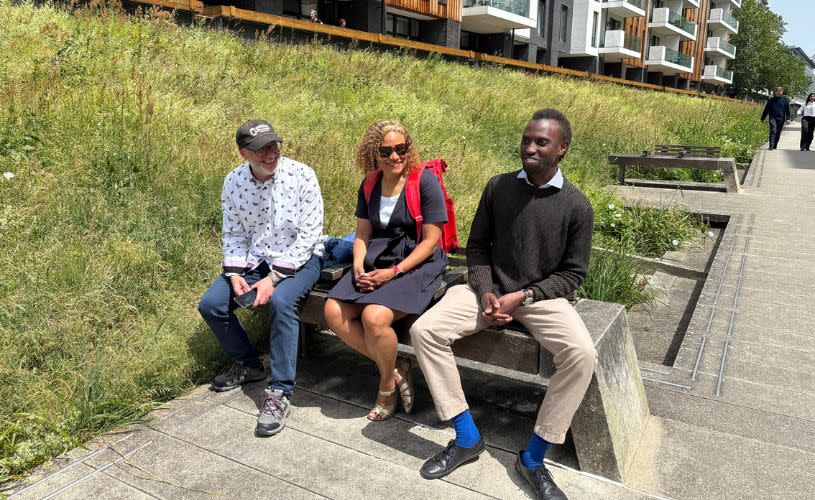
Kathryn Davis, CEO of Visit West said:
"As we continue to improve accessibility information for both visitors and local people, we're pleased to now host the Bristol Quiet Areas map on the Visit Bristol website. It provides valuable content highlighting how these spaces can support neurodivergent people, as well as how to find the spaces and use them, helping to make Bristol an even more welcoming and inclusive city for everyone."
VisitEngland Accessibility and Regenerative Tourism Lead, Ross Calladine said:
"The Bristol Quiet Areas Plan is a great example of what genuinely inclusive tourism looks like in practice. By working directly with neurodivergent people, it recognises accessibility as an information challenge as much as a physical one. The Quiet Areas Map and social stories it has produced give visitors and residents the knowledge and confidence they need, to get the most out of Bristol city centre."
Sarah Jones-Morris, Co-Investigator and lecturer in landscape architecture at University of Gloucestershire said:
“Our research shows that accessibility is as much about information as it is about physical infrastructure. Helping people discover and confidently access quieter, nature-rich places could improve health and wellbeing, support more inclusive experiences, and encourage more people to visit, stay longer and participate in city life, benefiting communities, local economies and the environment alike.”
“For many people, city centres can feel overwhelming. The project found that better information about quieter spaces can help people feel more confident visiting, participating and enjoying everything a city has to offer.”
Patrick McAllister, Green Party Councillor for Hotwells & Harbourside added:
“I’m delighted that Bristol is continuing to see the rollout of Quiet Areas, including one in Hotwells & Harbourside at Millennium Promenade. These areas provide a vital place to escape the noise of the city and enjoy a calm and cool oasis during the day. Especially as our weather gets hotter, the Bristol Quiet Areas Plan shows how better information can help more people discover quieter places that support wellbeing, improve accessibility and make Bristol more welcoming for everyone.”


