



 2 min read
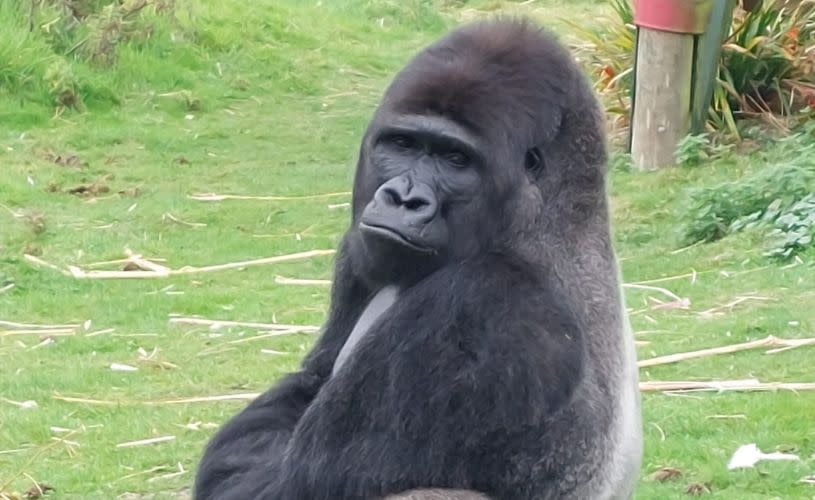
Nkoumou, a 17-year-old silverback, has arrived at Bristol Zoo Project to lead the zoo’s troop of six western lowland gorillas.
The move from Port Lympne Hotel & Reserve in Kent is part of a conservation breeding programme to help safeguard the future of western lowland gorillas. Western lowland gorillas are classified as Critically Endangered and face threats including habitat loss and poaching in central Africa.
Transporting a 180kg silverback gorilla from Kent to his new home at Bristol Zoo Project required months of careful planning.
Over the coming months, Nkoumou will be gradually introduced to Bristol Zoo Project's troop through a carefully managed process overseen by animal keepers and welfare experts. Western lowland gorillas live in close-knit family groups with complex social relationships, meaning introductions can take weeks or months as new bonds and relationships are established.
As silverback, Nkoumou will become the troop's main peacekeeper and protector, helping maintain stability within the family group.
Nkoumou succeeds Jock, the much-loved silverback who died earlier this year aged 42. Jock was the oldest male gorilla in the UK and led Bristol’s gorilla troop for more than two decades.
Brian Zimmerman, Director of Conservation and Science at Bristol Zoological Society, said:
"Nkoumou's arrival is significant not only for Bristol Zoo Project, but for the future of a species under threat in the wild. Conservation breeding programmes play an important role in maintaining healthy populations for future generations.
“At the same time, the gorilla troop and their habitat at Bristol Zoo Project connect visitors to the landscape of Equatorial Guinea – where we run one of our largest field conservation projects. Here we work alongside local communities to help people and wildlife, including western lowland gorillas, coexist and thrive.
“We're looking forward to watching Nkoumou settle into his new home, develop relationships with the troop and establish his place within the group."
Bristol Zoological Society has cared for gorillas for nearly 90 years, from much-loved favourites like Alfred and Jock to today's troop at Bristol Zoo Project. The Society is part of international breeding programmes, and its conservation teams work on the ground in Equatorial Guinea, helping local communities protect wild gorilla populations and their forest homes. This first-hand field experience, combined with decades of expert animal care, makes Bristol Zoological Society an authority in the UK on gorilla welfare and conservation.
To find out more about Bristol Zoo Project and Bristol Zoological Society’s conservation programmes, visit www.bristolzoo.org.uk.


