



 7 min read
One of the UK’s most iconic maritime heritage sites has today announced a transformation. Formerly known as Brunel’s SS Great Britain, the Bristol destination and home of the first modern ship will rebrand as Bristol Dockyards ahead of the reopening of its state-of-the-art new museum on 18 July 2026.
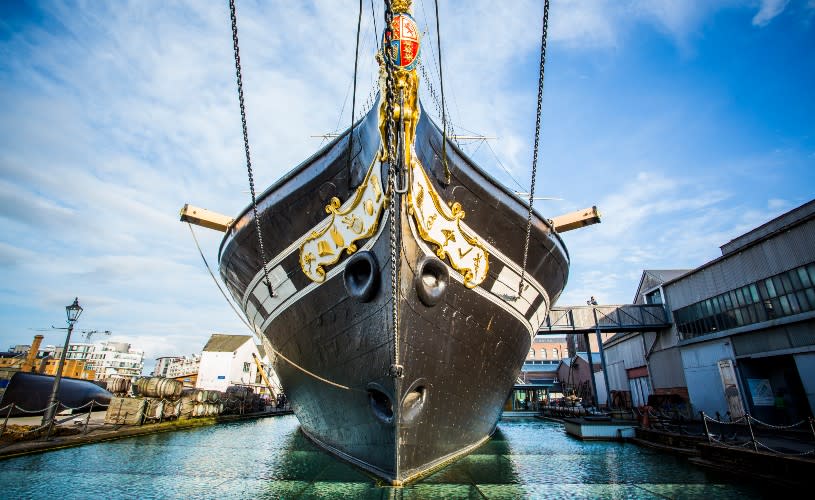
The redevelopment, designed by renowned architecture practice Ralph Appelbaum Associates, will add 2,000 square feet of exhibition space. Using newly discovered material, interactive exhibits and history discovered by the people of Bristol, the new museum explores the impact of the ship on the world, on the lives of those on board, and on the places to which it travelled. From technological revolution to emigration, trade, culture and globalisation, the exhibits will take visitors through the world the SS Great Britain shaped.
The SS Great Britain was the first modern ship. Made of metal and with engines and a propeller, it was bigger and faster than anything before. Its size and speed shrank the world. Between 1845 and 1886, it reached every inhabited continent and carried passengers from 51 nations. Through 5 years of community research with local researchers, the museum’s new curation reveals previously untold human stories from the ship's 41 years of service, spanning her construction in Bristol in the 1840s to her voyages to New York, Australia, India and San Francisco.
James Boyd, Director of the Brunel Institute said: “Bristol is a city shaped by global journeys, and so is the SS Great Britain. We wanted the new museum to reflect not only the ship’s extraordinary international story, but also Bristol’s role in discovering and sharing those connections today. By working closely with communities across the city, we’ve been able to bring new perspectives, previously unheard voices and newly discovered histories into the heart of the museum. Creating an interactive space where people can connect, learn and discover together will help ensure these stories continue to be shared for generations to come.”
Exhibition spaces and community-led research
The museum brings the history of the SS Great Britain to life through interactive exhibits that explain its revolutionary design, life-size digital recreations of the characters who travelled on board, incredible artefacts carried at sea more than 150 years ago, and historic and modern art. Elements of the ships’ working life, such as the record-breaking yard that carried its sails, and the rudder that steered it around the world are also displayed alongside intimate on-board objects, voyage logs, diaries and first-class passenger tickets that reflect the experiences of 19th century travel.
Drawing from the Brunel Institute's 75,000 item archive, new research undertaken by local researchers and community groups will show previously untold stories of the ship’s passengers. Through the museum’s Global Journeys community research project, the displays are also a conversation about revolutionary change in Bristol, remarkable life stories, and the extensive and sometimes challenging impact of British seafaring and the ship's capabilities on places across the globe.
Display highlights include:
- Construction crew: The exhibition honours the local individuals who built the ship, presenting the remarkable story of the Johnson family - five brothers who traveled from the Wye Valley with their father to work as shipwrights. By highlighting the experiences of figures like the young apprentice James Johnson, the museum will finally share the previously untold stories of the local labourers whose skill and dedication made the ship a reality.
- Australia and First Nations History: In the Australian section of the museum, the displays will focus on the ship’s impact on migration as the most popular ship connecting Britain and Australia. The SS Great Britain made 32 round trips from Liverpool to Melbourne carrying 15,885 emigrants to Australia, completely changing the Australian continent and the lives of its If you would like to be removed from our media lists, please contact info@flint-culture.com. First Nations inhabitants. The displays will also tell the story of the first First Nations cricket team, established and coached by SS Great Britain passenger Charles Lawrence, which travelled to the UK and played 47 matches before the ‘Aboriginal Protection Act’ passed in Victoria, Australia, preventing First Nations people from travelling overseas. Artist Fiona Clarke, known for the ‘Walkabout Wickets’ artwork which features on the current Australian cricket team’s uniform, is descended from one of the players on this team, and has created a new artwork to be displayed in the exhibition space commemorating this historic tour.
- Conflict in India and Crimea: The museum will also examine the ways in which the SS Great Britain was used as a troop carrier in global and imperial conflicts. During 1855-1856 the Great Britain made several journeys carrying troops and horses to take part in the Crimean War, including the regiments of Ottoman General Omer Pasha, and later it travelled to Mumbai carrying British soldiers in an effort to quell the Rebellion in 1857. The exhibition space will support conversations with Bristol’s South Asian community, with reflections on the ship’s history and journey to Mumbai.
- New histories: Many exhibits draw from new research of previously undiscovered histories of people of colour associated with the ship. This research and the interactive exhibits it has created brings to life the lived experiences of individuals like George Moses, a ship’s cook from Jamaica, and the Barbadian musician and poet James W. Jones, who traveled on the ship from Melbourne to Liverpool by way of Sydney.
Shani Whyte, Community Researcher said: “Working with the SS Great Britain has been one of the most inspiring parts of my life so far. When I started with the pilot project five years ago I never thought it would come this far. I am now one of the members of the community advisory group, the Boat Club, which has been vital in the design process of the new museum. Adding our thoughts, ideas and feelings has not only given us input into the build, but has increased inclusion within the organisation. A new space, the James W. Jones room, will connect community groups and individuals through research. We named this room after James W. Jones, a black man with an extraordinary story who sailed on the SS Great Britain. So many people from different backgrounds from all around the world travelled on the ship and it’s so exciting that their stories will now be told.”
Future vision as Bristol Dockyards
The reopening of the museum is the first phase of development envisioned by the SS Great Britain Trust and its long-term commitment to transform the historic site into a broader cultural and learning campus encompassing the Great Western and Albion dockyards, reflective of Bristol’s long history of cultural innovation, sustainability and radical engagement with its heritage.
Future phases of the project will focus on vital conservation work, reestablishing the Albion dock as a working dockyard for maritime skills training opportunities and broadening programming to reflect the interests of a modern, diverse Bristol. The realisation of this vision will culminate in celebrations for the 60th anniversary of the ship’s return to Bristol from the If you would like to be removed from our media lists, please contact info@flint-culture.com. Falkland Islands in 2030.
Andrew Edwards, CEO of Bristol Dockyards and the SS Great Britain Trust said: “This reopening marks an important moment not only for the SS Great Britain Trust, but for the future of this historic site. We are committed to safeguarding this extraordinary heritage while being ambitious about what it can become: a dynamic cultural campus rooted in community participation, learning and maritime heritage. In a city renowned for its creativity and cultural energy, Bristol Dockyards will be a place where more people can engage with the past, build skills for the future and help shape a shared civic story. Our heartfelt thanks go to the Philip Nicholas Trust and all the other generous supporters for their help in making the start of this next chapter possible”
This transformational museum project was supported by a wide range of funders. These include national and local grant-givers: the Philip Nicholas Trust, The National Lottery Heritage Fund, the Garfield Weston Foundation, the Wolfson Foundation, the Headley Trust, the Medlock Charitable Trust, the Nisbet Trust, the Aurelius Charitable Trust, The Bristol Port Company and the Society of Merchant Venturers Charity. Support was also received from members and other regular supporters, as well as local businesses YTL Group, Canon Security, Womble Bond Dickinson, Renishaw and Three Cherries. Significant funds were also raised from the general public through the 'All Hands On Deck' campaign.


